
Chemistry-first RAW → film
In developmentYour RAWs, developed.
Not filtered.
Mothlight treats a RAW file the way a darkroom treats light: it simulates the chemistry from first principles. Your photograph exposes a virtual emulsion, develops in a reaction-diffusion bath, and is printed through an enlarger onto color paper. The look emerges from the chemistry.
The method
Not a filter. A darkroom.
Most "film looks" are a tone curve, a split-tone, and a grain overlay. A costume. Mothlight is the actual process, simulated: light, emulsion, developer, paper. Everything you recognize as film falls out of the physics rather than being drawn on top.
01Real chemistry, from first principles
The RAW becomes scene light, exposes a spectral emulsion, and develops as a reaction-diffusion process: developer diffusing, exhausting locally, replenished by agitation. Contrast and edge effects come straight from the chemistry.
02Emergent grain & tone
The characteristic curve falls out of how far development proceeds. Grain is a stochastic silver model that peaks in the midtones and is resolution-independent. Nothing is an overlay.
03Color from dye layers
Color negative is simulated as three coupled dye layers with an orange mask and DIR interlayer effects, then optically printed onto RA-4 paper through an enlarger color head, the source of real film color, saturation and crossover.
04The look is a recipe
Instead of picking a stock, you set the variables. Sensitization, developer time and temperature, agitation, interlayer coupling, paper grade, enlarger filtration. The look is what those choices produce.
Examples
RAW in, film out.
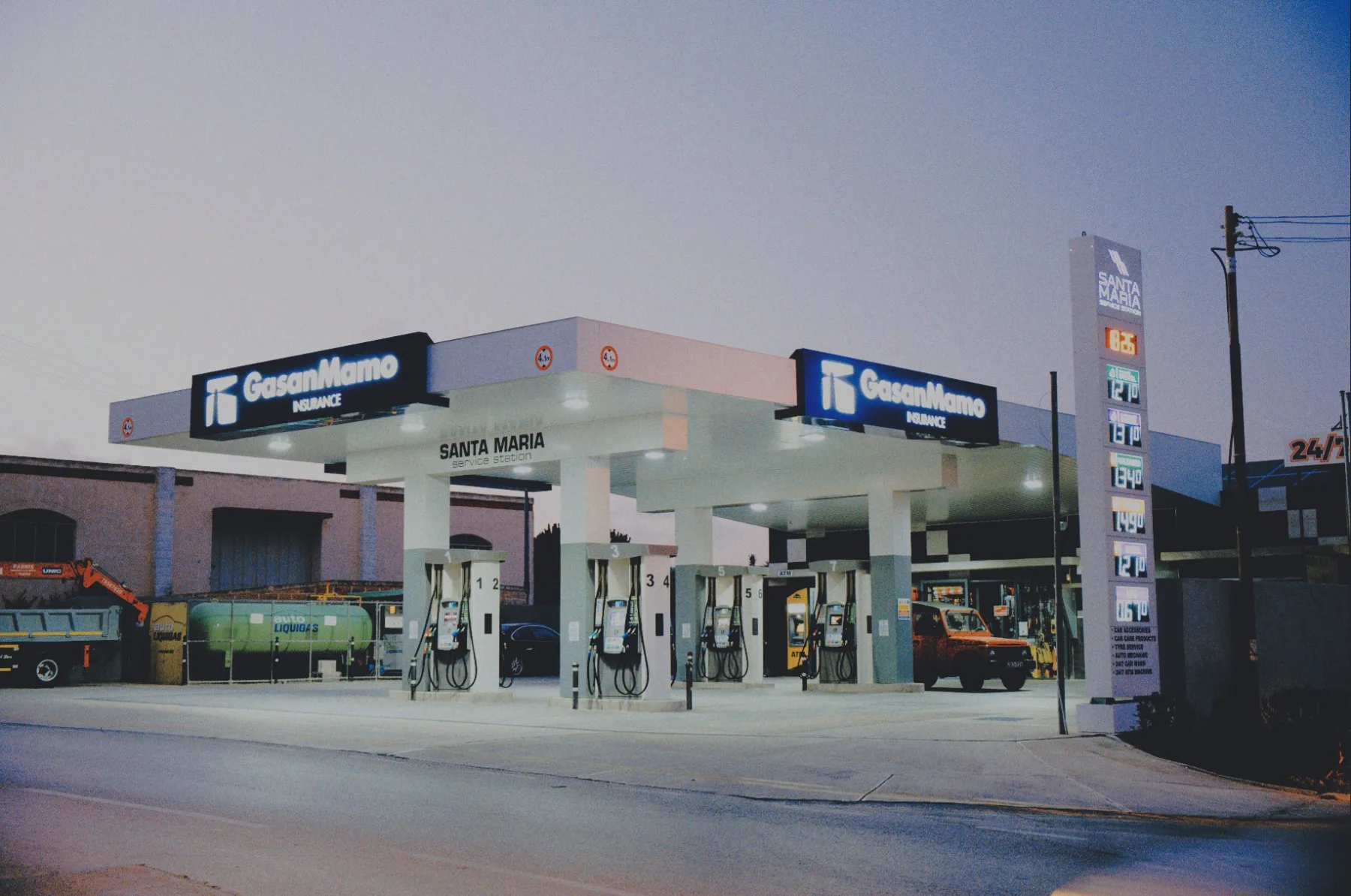
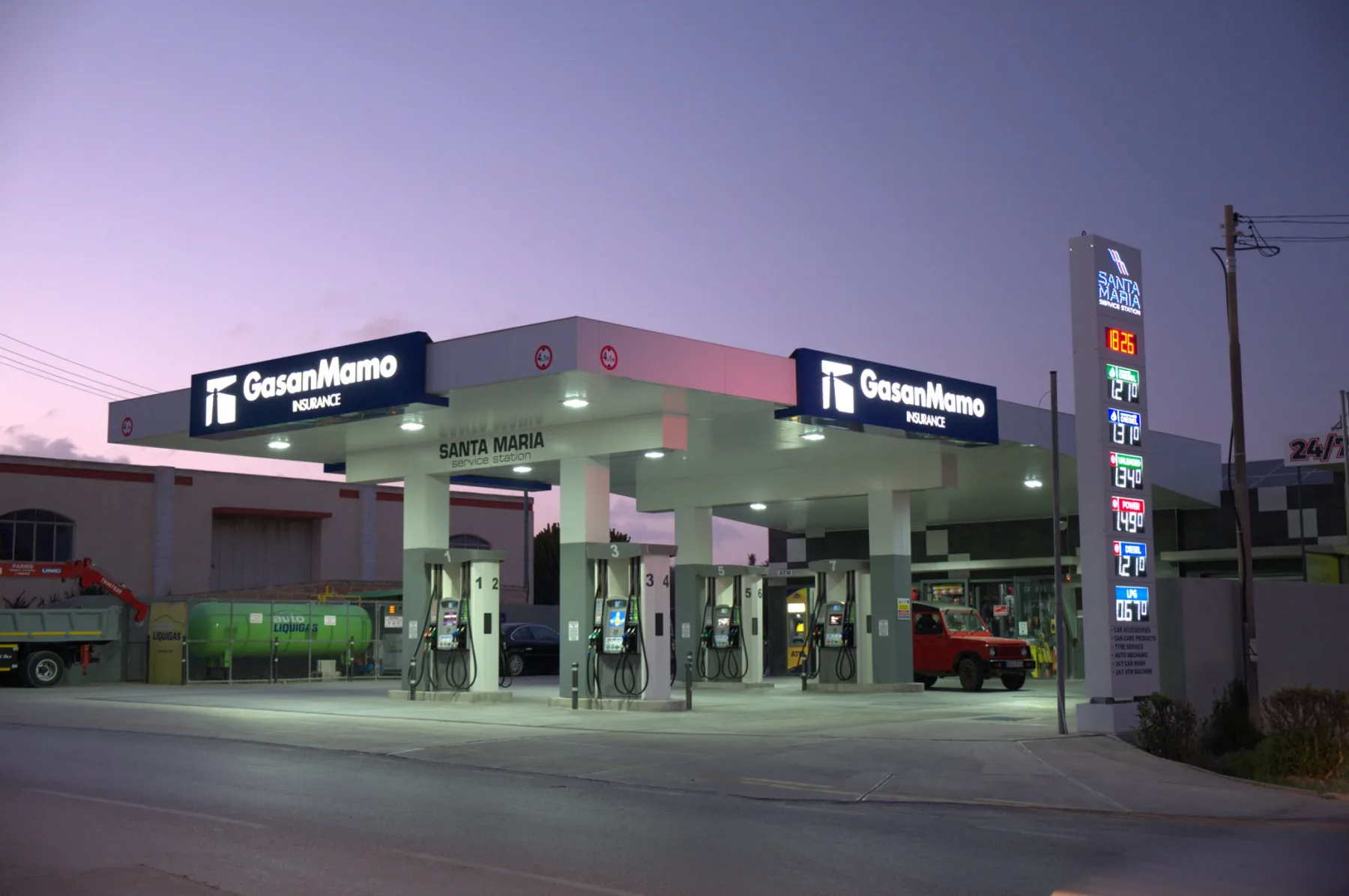
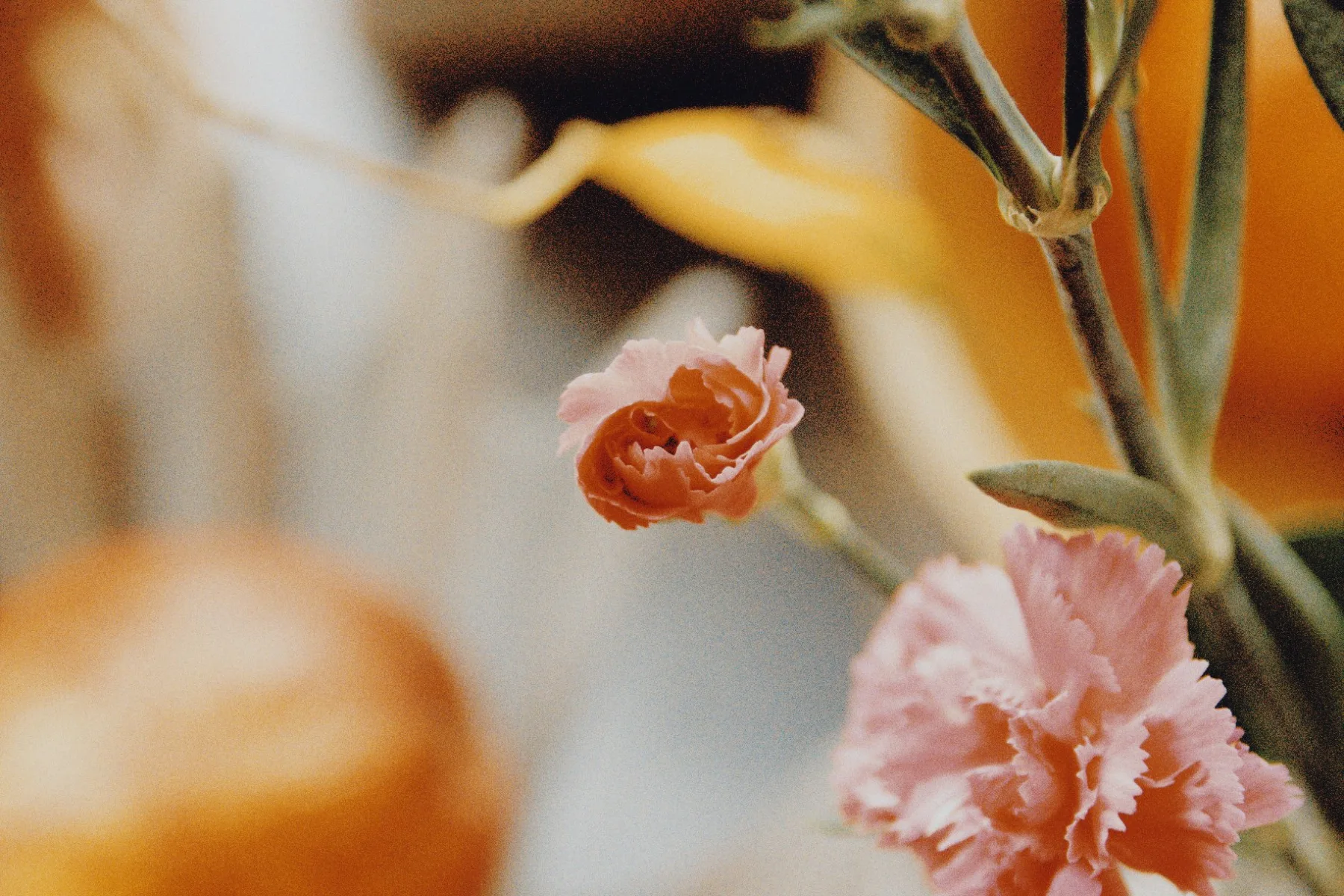
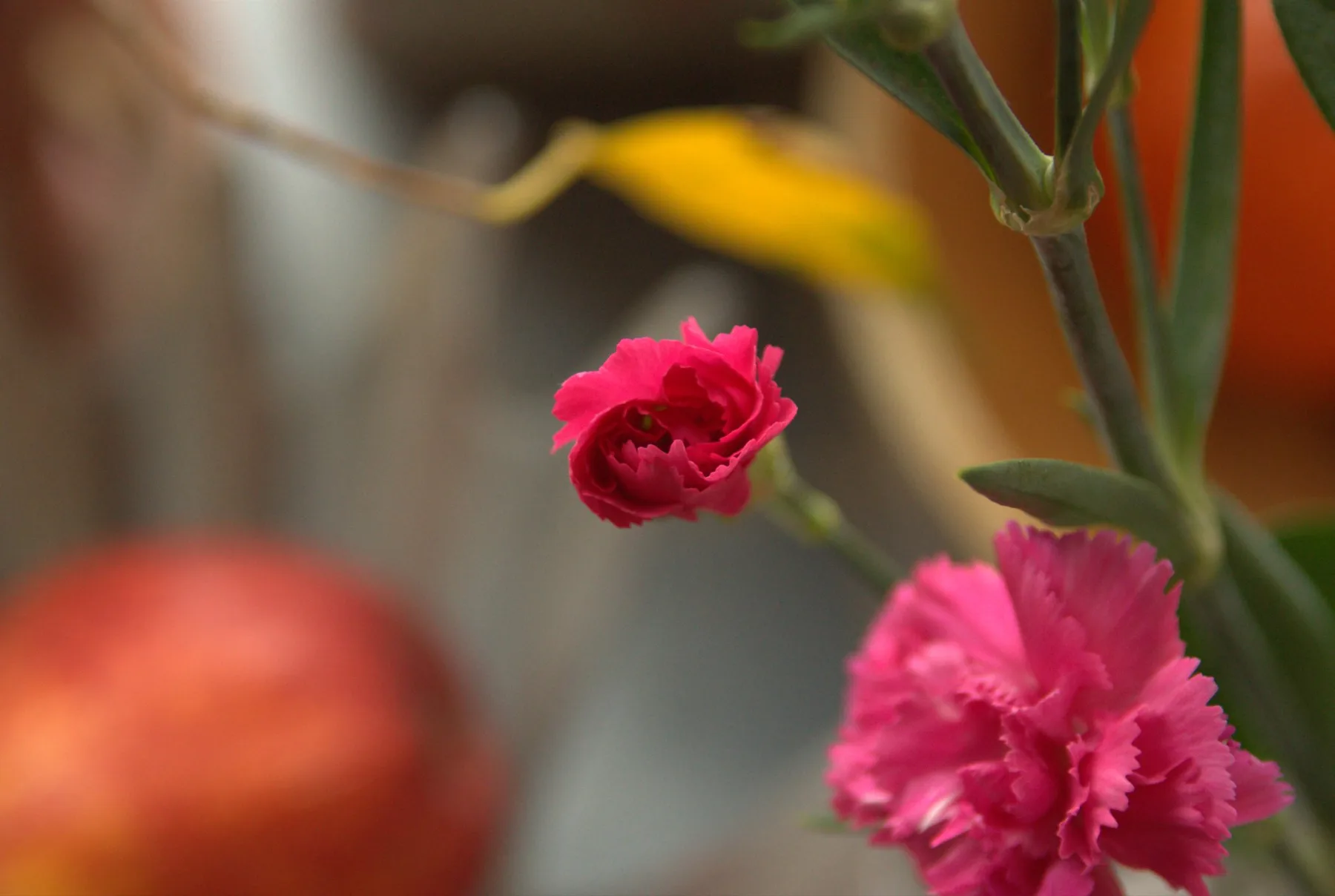
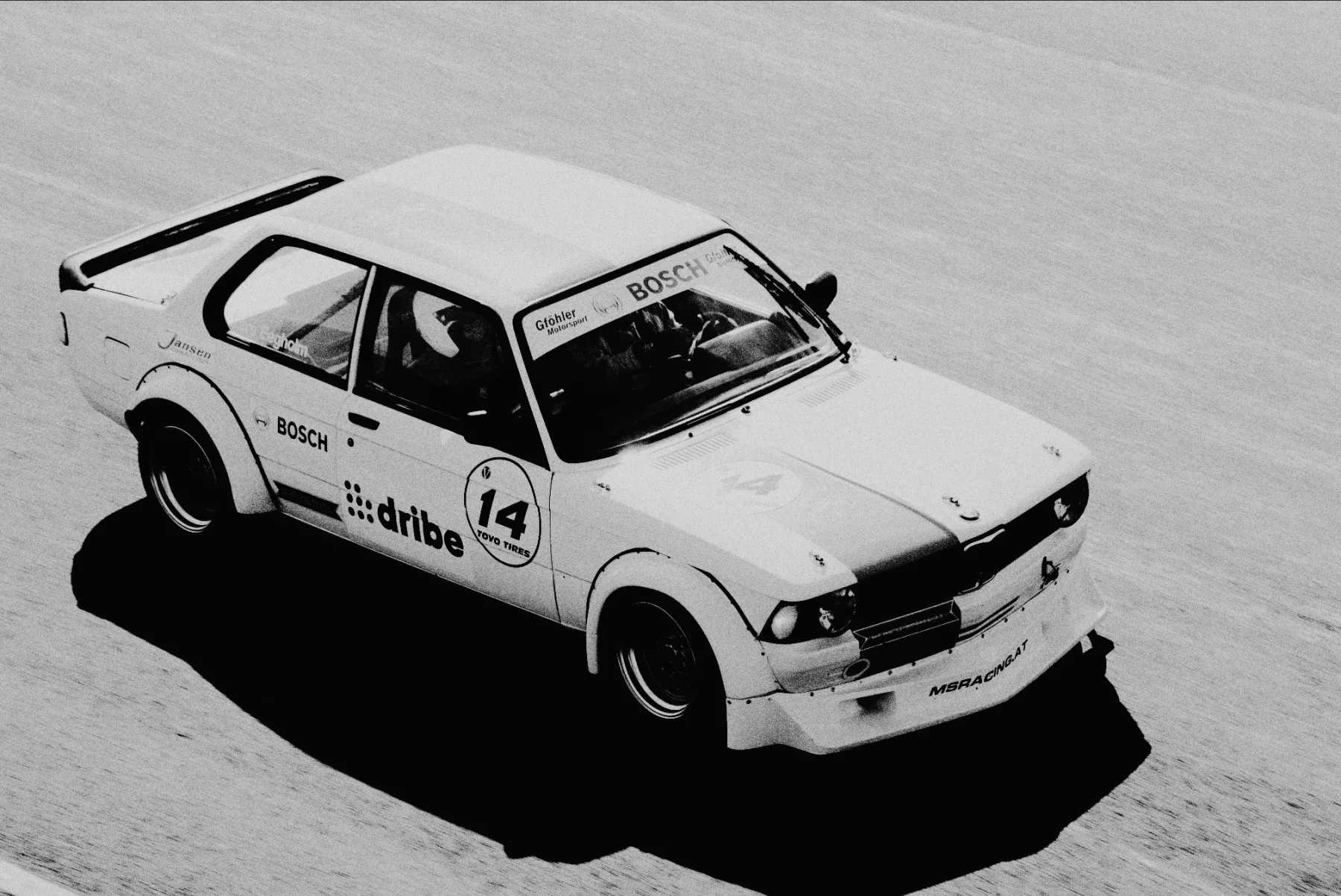
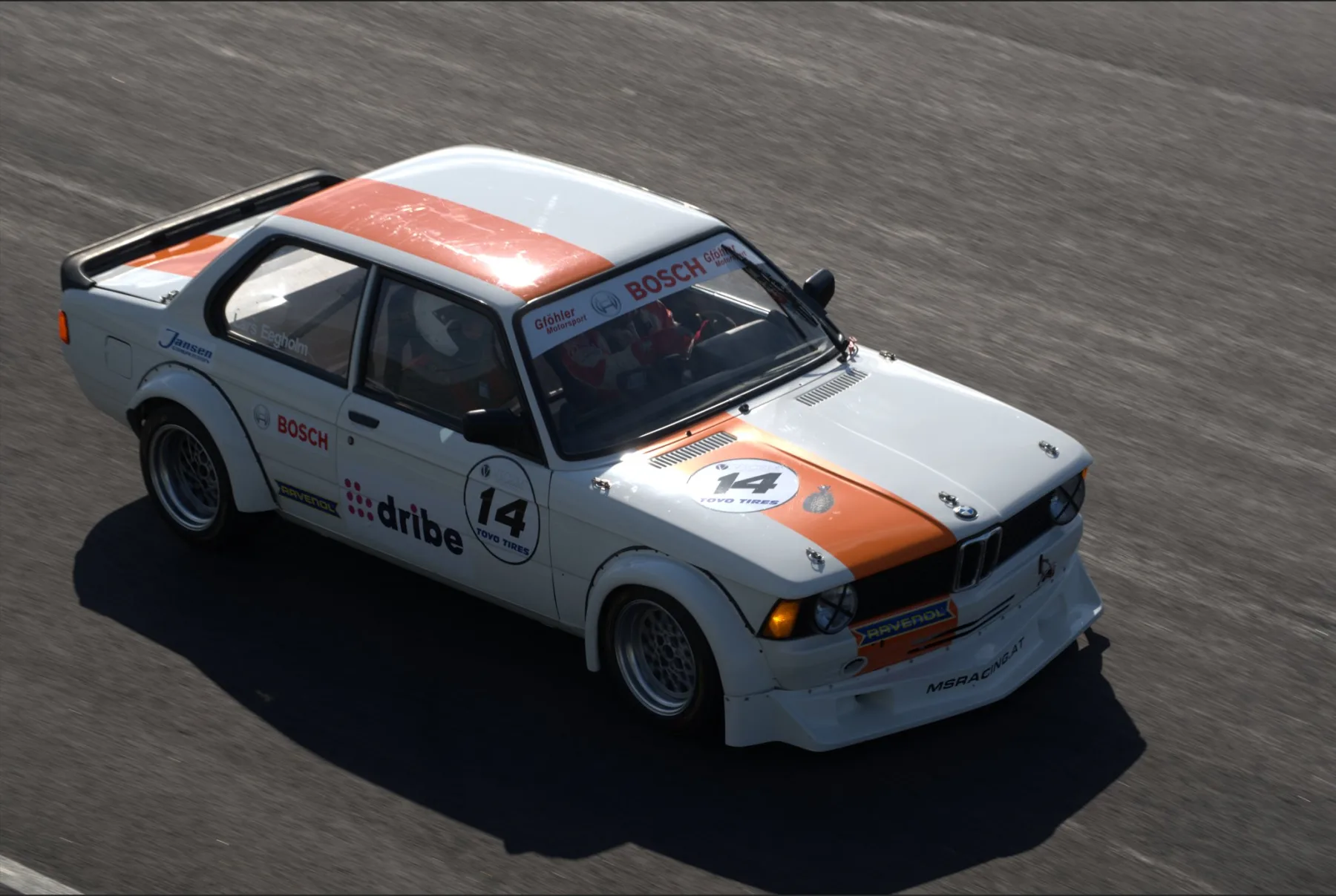
Each of these is a single unedited RAW carried through the full simulated chain. Drag any slider to reveal the original capture underneath.
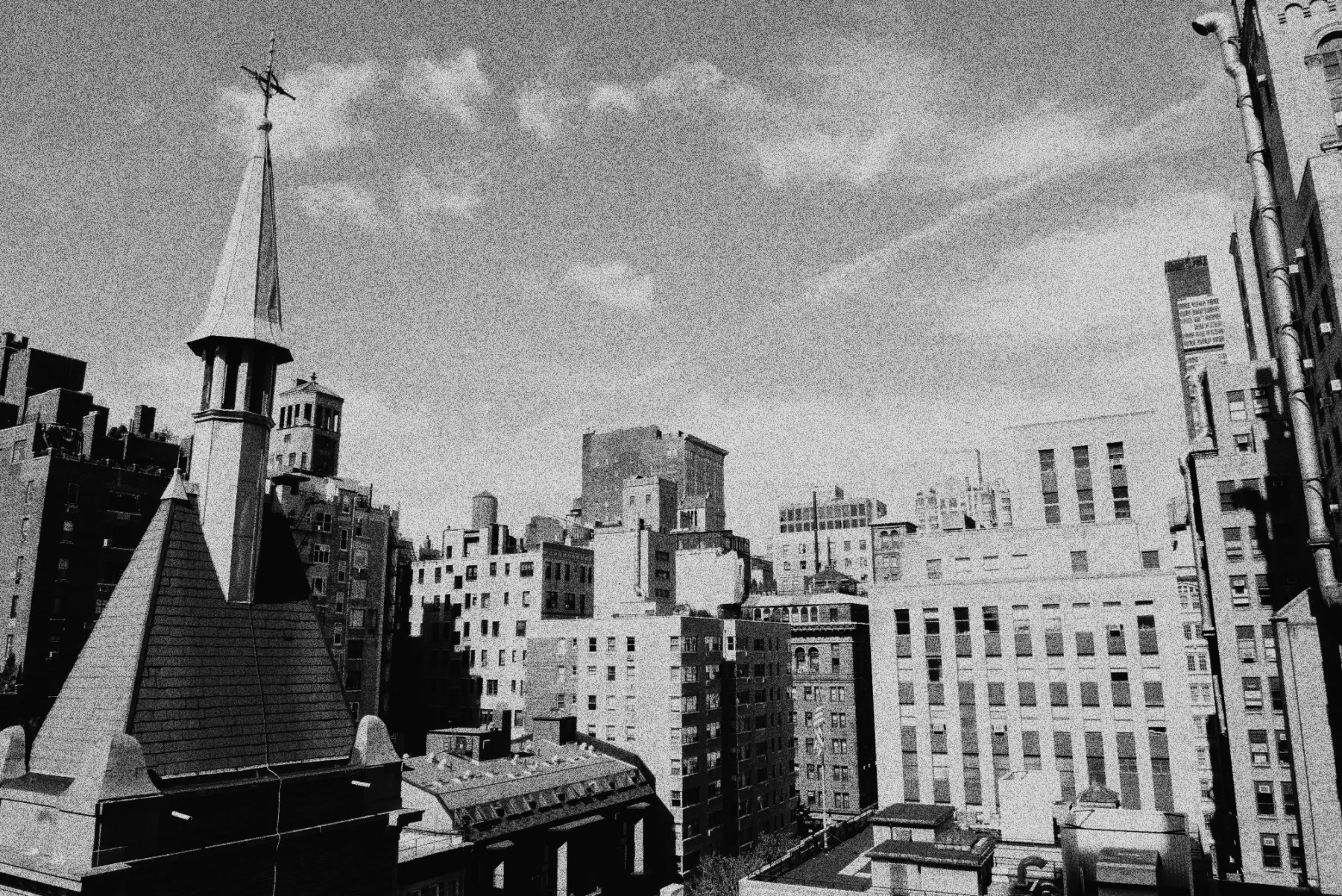
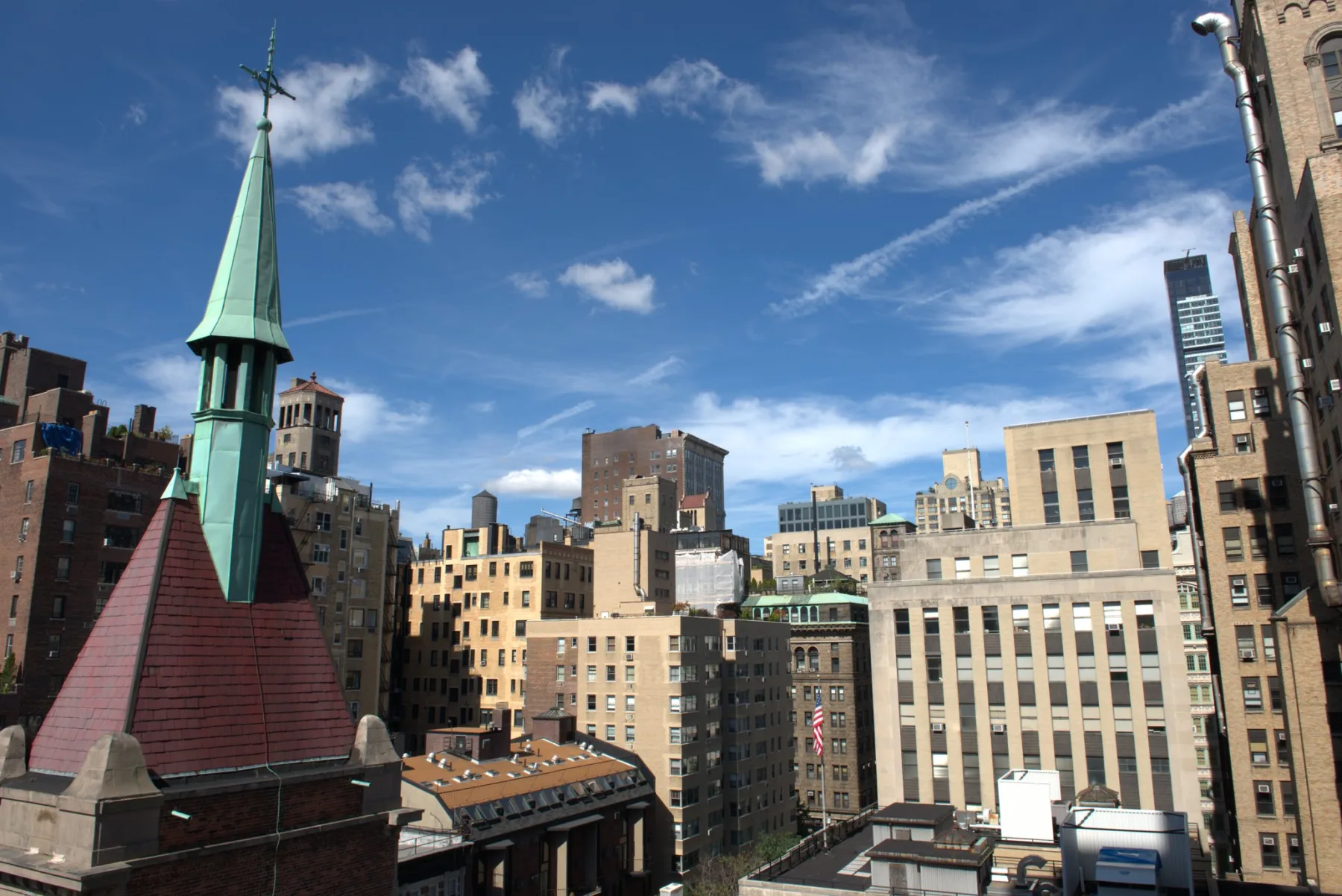
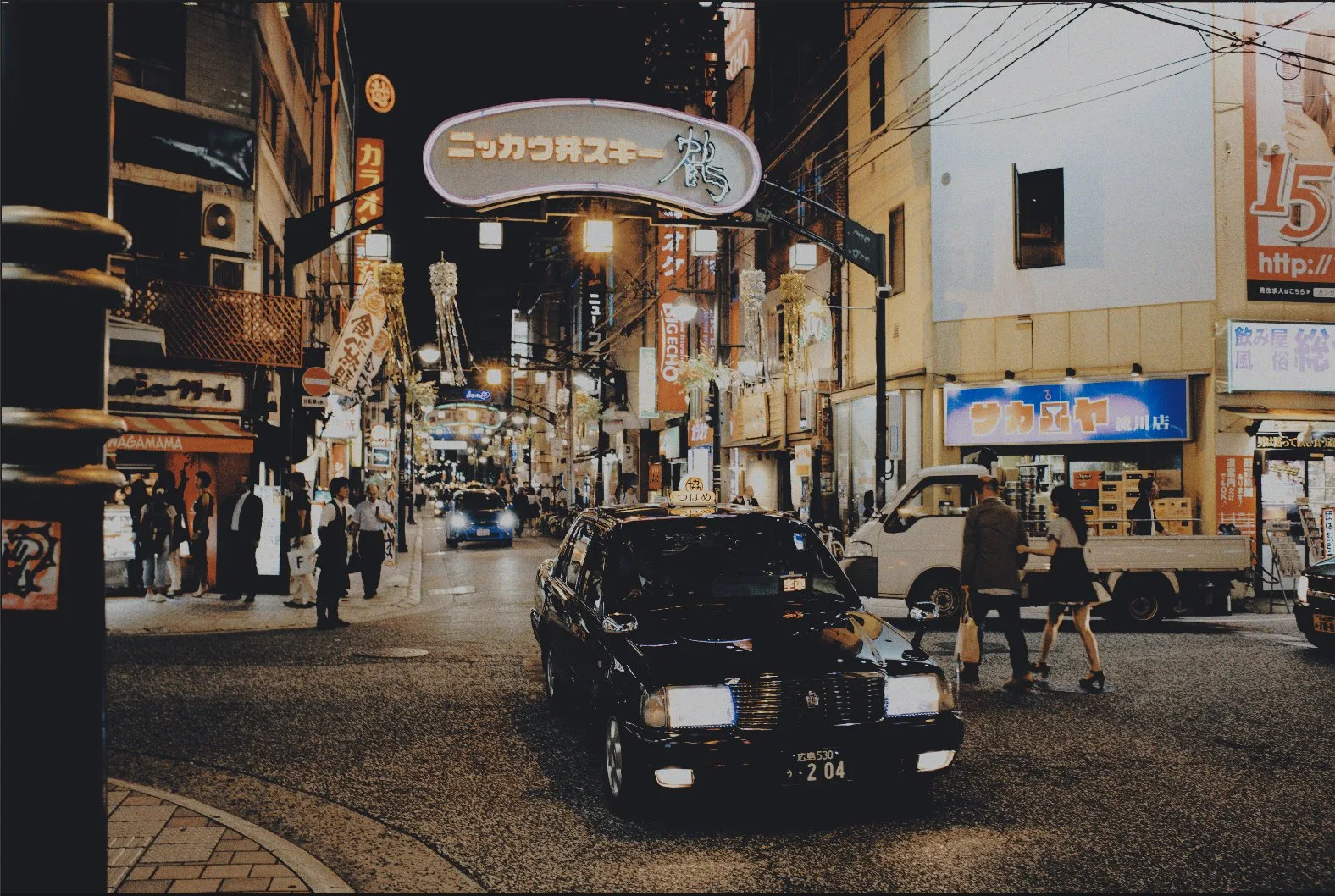
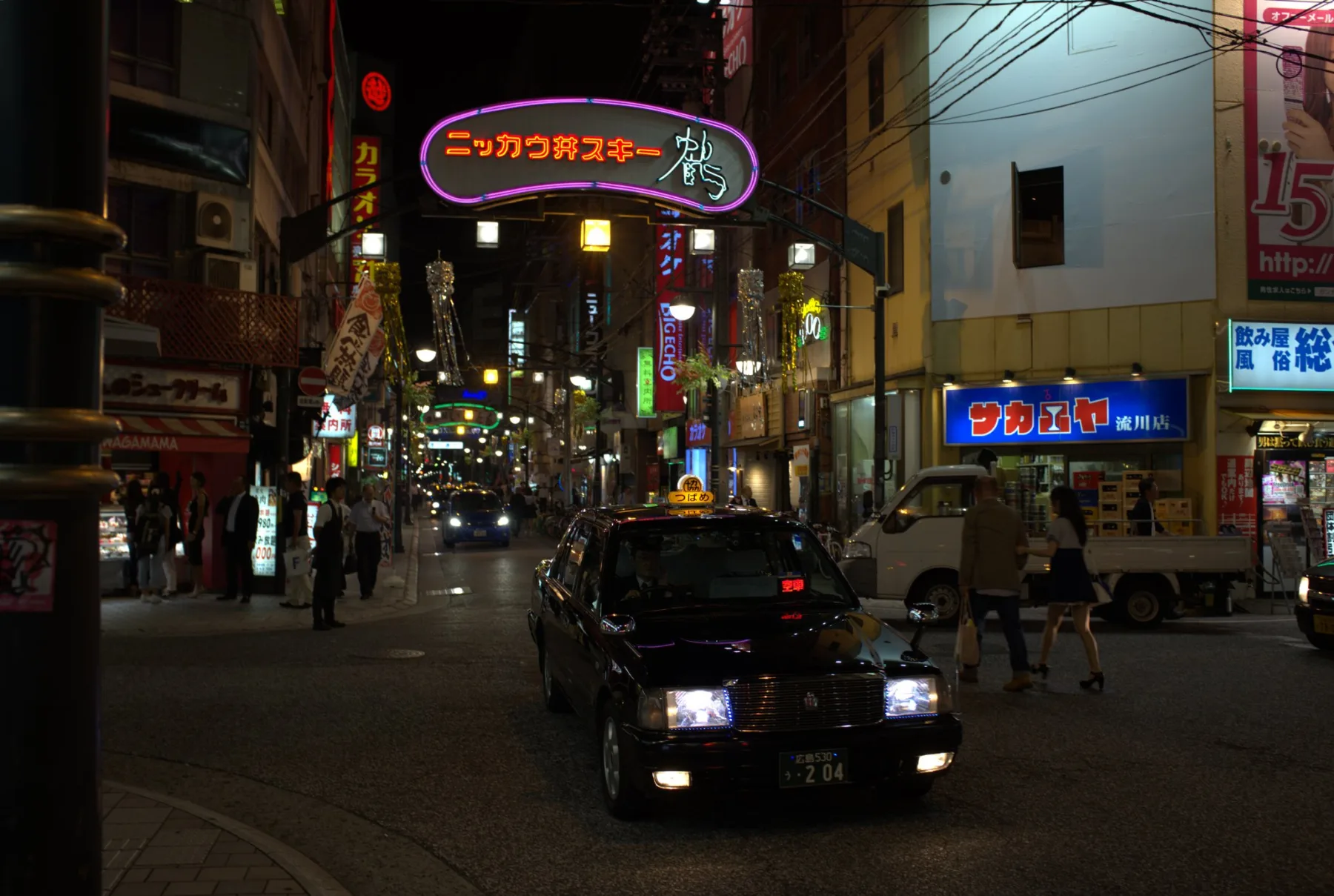
How it works
From sensor to print, honestly.
Two halves, cleanly separated. Digitization turns the sensor's raw record into faithful scene light, with no hidden clipping and no look. The darkroom then renders that light through physics, the same way every time.
Latitude in what was captured.
Physics in how it's rendered.
The recipe
Every variable is yours.
Mothlight's currency is the parameter space. Dial the chemistry and a look falls out; save it as a recipe and apply it like a stock you invented.
Film type
Panchromatic black & white, or full color negative. One switch covers both.
Sensitization
Slide from orthochromatic through panchromatic to extended-red; choose how the film sees color.
Development
Time, temperature and agitation: stand development to vigorous, with the contrast and edge effects that implies.
Interlayer (DIR)
Dial the color couplers that drive acutance and saturation, the modern color-negative signature.
Paper grade
Soft to hard, the color analog of variable-contrast paper. This is the real control over dynamic range.
Grain
Radius and strength of an emergent silver model: fine and quiet, or coarse and present.
Coming soon
Be first in the darkroom.
Mothlight is in development. Leave your email and we'll let you know the moment the safelight comes on.
Light, emulsion, developer, paper.
At a glance
Mothlight specifications
| Platform | Windows · macOS |
|---|---|
| Pipeline | 31 spectral bands · scene-referred |
| Film | B&W and color negative · RA-4 print |
| Development | Reaction-diffusion · emergent grain |